Gardener Barkingside: Recycling and Sustainability for a Greener Garden
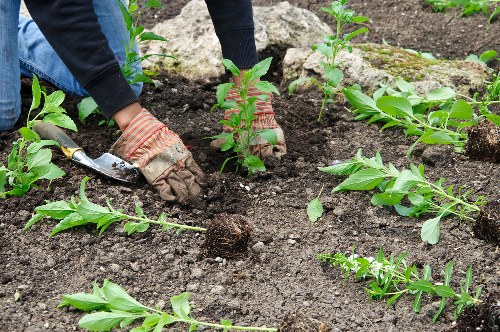 Gardener Barkingside leads an eco-conscious approach to garden waste management across the neighbourhood. Our aim is to create an eco-friendly waste disposal area and a resilient, sustainable rubbish gardening area that reduces landfill, cuts carbon emissions and supports local green initiatives. As a Barkingside gardener service we combine practical waste separation, local partnerships and low-carbon transport to deliver measurable environmental outcomes.
Working within the borough's approach to waste separation, our routine for gardening waste follows clear streams: dry recycling (paper, cardboard, glass and metal), separate food and garden waste collections, and minimised residual waste. We encourage residents and clients to pre-sort prunings, woody material, compostable greenery and recyclables so the gardener in Barkingside can process materials on-site or transfer them to authorised facilities. This reduces contamination, increases recovery rates and supports a circular approach to soil health.
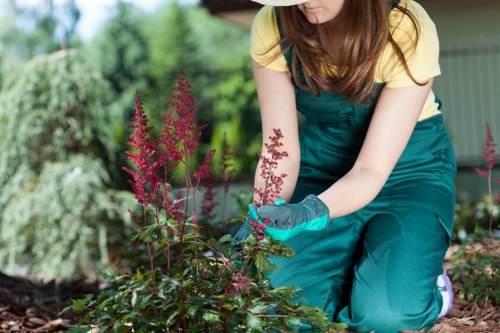 Our short-term recycling percentage target is ambitious but realistic: to reach 65% recycling and reuse of collected garden and household wastes by 2030. This target covers composting green waste, separating reusable materials, redirecting usable items to charities and ensuring minimal residual rubbish. To reach this milestone the gardening waste Barkingside programme emphasises training for crews, clearer signage at collection points, and community information on what belongs in each waste stream.
The eco-friendly disposal area we establish on-site or at temporary community hubs is designed to accept sorted materials safely and to prepare them for onward transfer. We work with local transfer stations and materials recovery facilities in and around the borough to ensure each stream is routed correctly. Typical pathways include composting for garden waste, processing at anaerobic digestion for food waste where available, and sorting centres for dry recyclables.
To make these linkages reliable, Gardener Barkingside maintains relationships with several nearby transfer stations and consolidation points. These facilities allow us to minimise double-handling and reduce vehicle miles by batching loads. By coordinating drop-offs with established stations in neighbouring boroughs we limit journey distances and support the wider municipal network's efficiency.
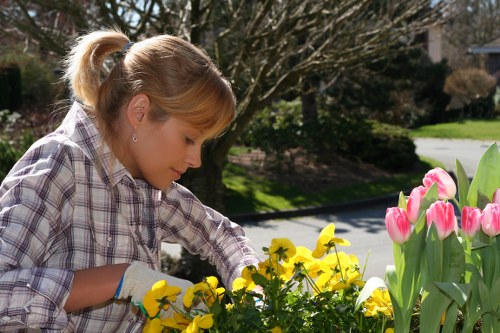 Our sustainable rubbish gardening area concept also includes on-site compost bays and small-scale chipping. Woodchip can be used as mulch, returned to clients' beds, or donated to community spaces. This reduces the need for off-site disposal and helps close the loop between green waste collection and soil restoration — a cornerstone for any gardener in Barkingside committed to low-impact maintenance.
Partnerships with charities are central to our reuse strategy. We collaborate with local reuse charities, community allotments, habitat restoration groups and food redistribution organisations to redirect surplus items and healthy plant material. Items such as plant pots, tools in good condition and reusable garden furniture are offered to charity partners rather than entering a landfill-bound residual bin. These linkages add social value and keep good materials in circulation.
We maintain a simple list of partner activity modes so teams can act quickly:
- donations of reusable equipment to community groups,
- green matter and compost supply to conservation projects,
- seed and plant swaps with neighbourhood gardening initiatives.
To reduce transport emissions we have invested in an expanding fleet of low-carbon vans. These include fully electric vans and plug-in hybrids used for local routes, plus optimised scheduling to avoid empty returns. The move to low-emission vehicles lowers our operational carbon footprint and demonstrates how a small gardening business can make a measurable difference by choosing sustainable logistics.
 Beyond vehicle choice, we prioritise fuel-efficient routing, consolidated collections and batching of loads so fewer journeys are needed overall. When electric charging infrastructure is available locally, our low-carbon vans recharge between rounds, ensuring continuous service without resorting to high-emission alternatives. We also trial cargo bikes for very local small collections to further cut short-trip emissions.
Education and clear labeling are part of the package. We provide clients with concise, easy-to-follow instructions for separating common items: glass, metal cans and mixed paper into dry recycling; garden cuttings and leaves into green waste; food scraps into food waste where the service exists; and bulky or hazardous items handled separately. This improves compliance and reduces contamination, directly raising the gardener Barkingside recycling rate.
 In summary, our plan for an sustainable rubbish gardening area in Barkingside combines practical on-site measures, targeted reuse partnerships and a low-carbon transport strategy. By working with local transfer stations, supporting charities, and aiming for a 65% recycling and reuse target by 2030, Gardener Barkingside delivers a pragmatic, community-focused pathway to greener gardens and less waste. Together with residents and partner organisations we can transform garden waste from a disposal problem into a resource that benefits soil health, community projects and the wider environment.